



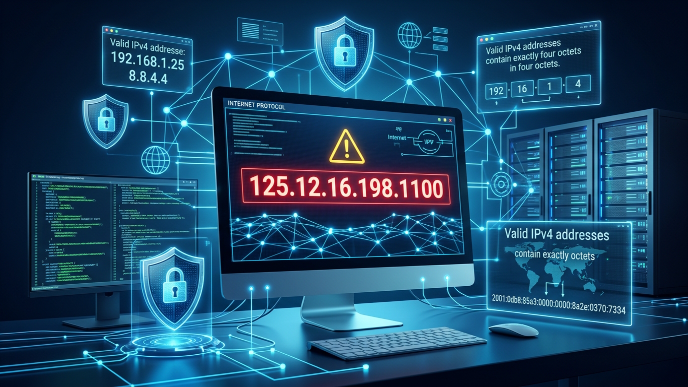

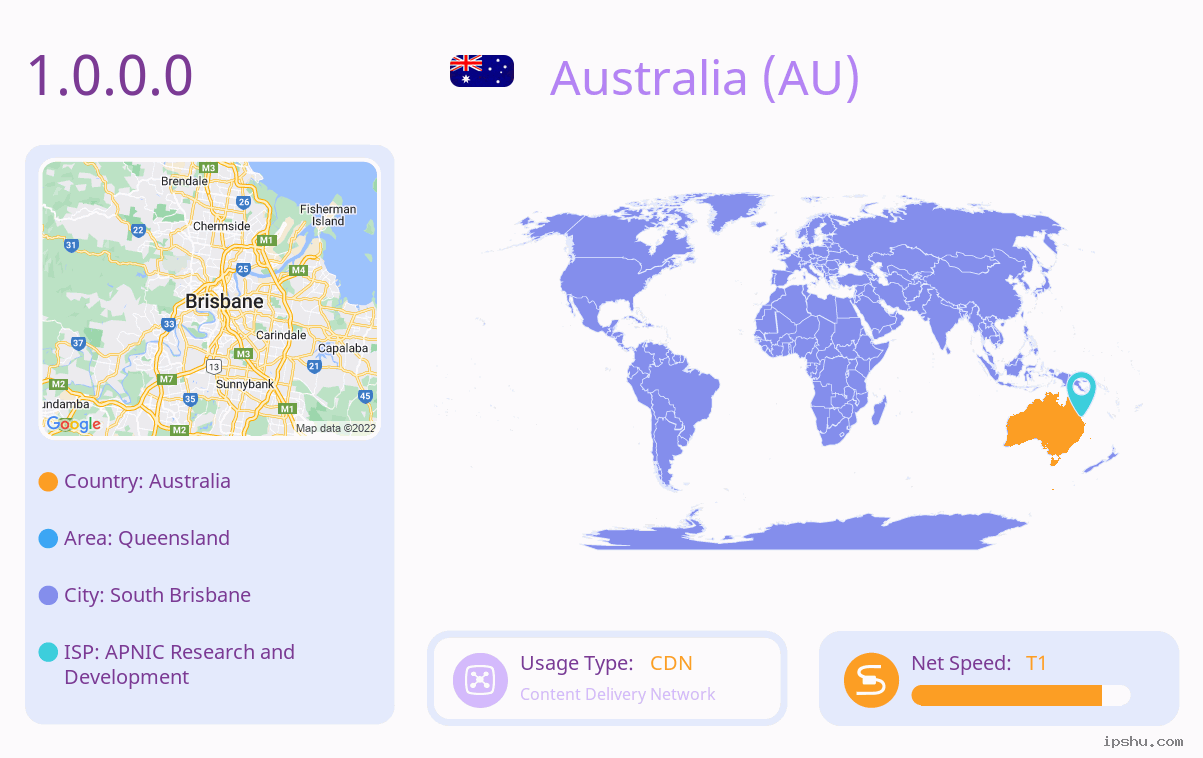
The keyword “1.0.0.0.1” has become increasingly popular online because many users mistakenly search for it while trying to configure DNS settings, troubleshoot internet problems, or access router administration panels. At first glance, the address looks like a standard IPv4 address, similar to well-known addresses such as 192.168.1.1 or 1.1.1.1. However, networking professionals immediately recognize that 1.0.0.0.1 is not technically valid. This confusion has led many internet users to search for explanations regarding its meaning, purpose, and relationship to public DNS services.
Understanding why 1.0.0.0.1 is invalid requires basic knowledge of how Internet Protocol addresses function. IP addresses are essential for communication across the internet because they allow devices to identify and locate each other. Every smartphone, laptop, router, server, and website depends on IP addressing systems for proper connectivity. Even a tiny formatting mistake can make an address unusable. In the case of 1.0.0.0.1, the issue comes from the number of segments used in the address. While it resembles a real IPv4 address, it contains five numerical sections instead of four, making it structurally incorrect under official networking standards.
What Is 1.0.0.0.1?
The term 1.0.0.0.1 is commonly searched by users who are attempting to configure DNS servers or troubleshoot network settings. Many users accidentally type this address while trying to enter 1.0.0.1, which is a legitimate public DNS resolver associated with Cloudflare and APNIC. Because the two addresses appear visually similar, typing mistakes happen frequently, especially among users unfamiliar with networking structures or router configuration systems.
In technical terms, 1.0.0.0.1 is not recognized as a valid IPv4 address because IPv4 addresses are limited to exactly four octets separated by periods. A proper IPv4 format looks like X.X.X.X, where each section contains a value between 0 and 255. Since 1.0.0.0.1 contains five sections, no operating system, browser, or networking device can interpret it correctly. As a result, the address cannot be routed on the internet, assigned to a device, or used as a DNS server.
Understanding IPv4 Address Structure
Internet Protocol version 4, commonly called IPv4, remains the most widely used addressing system on the internet today. IPv4 addresses are made up of 32 bits divided into four 8-bit groups known as octets. Each octet can contain numerical values ranging from 0 to 255. This system creates addresses such as 8.8.8.8, 1.1.1.1, and 192.168.0.1, which are recognized globally by networking equipment and internet infrastructure.
The reason formatting matters so much is because routers and servers rely on exact numerical structures when directing traffic. If an address contains too many or too few sections, networking devices cannot process it correctly. In the case of 1.0.0.0.1, the presence of a fifth octet immediately invalidates the address. Even though all individual numbers fall within the correct numerical range, the structure itself violates IPv4 standards. This strict formatting system ensures reliable communication between devices across the internet.
Why 1.0.0.0.1 Is Not a Valid IP Address
The primary reason 1.0.0.0.1 is invalid is simple: IPv4 addresses can only contain four numerical blocks. No official networking protocol allows a five-part IPv4 address. Operating systems, browsers, DNS resolvers, and routers automatically reject addresses that fail to meet this requirement. If a user enters 1.0.0.0.1 into a browser or DNS configuration page, the system usually displays an error message indicating the address is malformed or unreachable.
Some users mistakenly assume that 1.0.0.0.1 may represent a hidden server, alternative network structure, or advanced networking format. However, this is incorrect. IPv6, the newer internet addressing system designed to replace IPv4 gradually, uses hexadecimal formatting entirely different from the dotted decimal style seen in 1.0.0.0.1. This confirms that the address is not a special protocol or advanced configuration—it is simply a typing error or formatting mistake that cannot function on real networks.
The Real Address Behind the Confusion: 1.0.0.1
Most searches for 1.0.0.0.1 are actually intended to reference 1.0.0.1, which is a legitimate public DNS resolver operated through the partnership between APNIC and Cloudflare. The address works alongside the more famous 1.1.1.1 DNS service and is designed to provide fast, secure, and privacy-focused internet browsing. Millions of users worldwide use these DNS servers to improve website loading speed and enhance online privacy.
Cloudflare’s DNS platform became popular because it emphasized speed, security, and reduced data collection compared to many traditional internet service provider DNS systems. The service also supports modern security technologies such as DNS over HTTPS and DNS over TLS, which encrypt DNS requests to protect user privacy. Because 1.0.0.1 is heavily promoted alongside 1.1.1.1, users often accidentally insert an additional zero and end up searching for 1.0.0.0.1 instead.
How DNS Servers Work
To understand why 1.0.0.1 matters, it helps to understand the role of DNS servers. The Domain Name System acts like the internet’s phonebook. Humans prefer remembering website names such as google.com or youtube.com, but computers communicate using numerical IP addresses. DNS servers translate domain names into IP addresses so browsers can locate websites quickly and accurately.
When users change their DNS settings to services like 1.1.1.1 and 1.0.0.1, they are instructing their devices to use Cloudflare’s DNS infrastructure instead of the default DNS servers provided by their internet service provider. Many people do this because third-party DNS services may offer faster lookup times, improved reliability, and enhanced privacy protections. However, entering an incorrect address such as 1.0.0.0.1 prevents DNS resolution from functioning properly and can lead to internet connectivity problems.
Common Situations Where Users Encounter 1.0.0.0.1
One of the most common situations involving 1.0.0.0.1 occurs during manual DNS setup on smartphones, routers, gaming consoles, and computers. Users frequently search online for “best DNS server” and discover Cloudflare’s 1.1.1.1 and 1.0.0.1 addresses. During manual entry, an accidental extra zero can create the invalid address 1.0.0.0.1, causing DNS errors and internet connection failures.
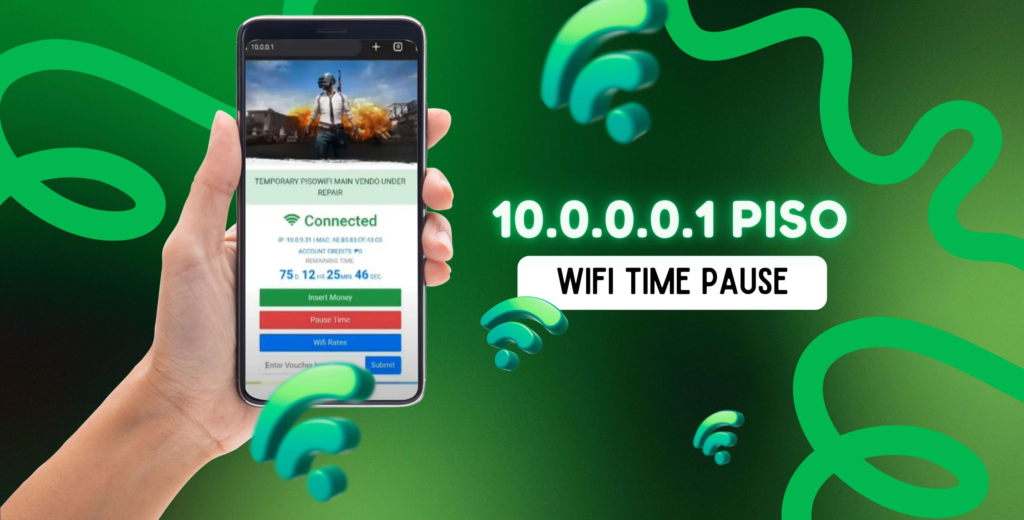
Another common source of confusion involves router login pages. Home routers often use private IP addresses like 192.168.1.1 or 10.0.0.1. Users unfamiliar with networking conventions sometimes confuse these formats and accidentally create incorrect addresses while typing. Because the structure visually resembles a normal router address, many users initially assume the issue lies with the router itself rather than the formatting mistake.
The Role of Cloudflare and APNIC
Cloudflare and APNIC collaborated to launch the public DNS resolver service that includes 1.1.1.1 and 1.0.0.1. APNIC originally held ownership of the IP ranges, while Cloudflare provided the infrastructure and global network capabilities required to operate the service efficiently. Their partnership helped create one of the world’s fastest and most recognized DNS resolver systems.
The popularity of these DNS addresses contributed significantly to widespread public awareness of DNS technology. Before Cloudflare’s campaign, many ordinary users rarely changed DNS settings manually. Today, millions of people recognize addresses like 1.1.1.1 and 1.0.0.1 because of their strong marketing, privacy messaging, and performance claims. Unfortunately, increased popularity also increased the number of typing mistakes and invalid searches related to addresses such as 1.0.0.0.1.
How Incorrect IP Addresses Affect Internet Connectivity
Incorrect IP addresses can create serious connectivity issues even when the error appears small. Since networking systems depend entirely on precise addressing, a single misplaced digit or extra period can prevent devices from locating servers, websites, or DNS resolvers. When users mistakenly enter 1.0.0.0.1 into DNS settings, devices cannot communicate with the intended DNS server because the address does not exist in valid IPv4 format.
This often results in symptoms such as websites failing to load, internet access interruptions, slow browsing, or repeated DNS resolution errors. In many cases, users may believe their internet provider or router is malfunctioning when the actual problem is simply an invalid DNS entry. Correcting the address to 1.0.0.1 usually restores functionality immediately after the network settings refresh.
Why Networking Knowledge Matters Today
As internet-connected devices become more common, basic networking knowledge has become increasingly valuable. Understanding the structure of IP addresses, DNS settings, and router configurations helps users troubleshoot problems independently and avoid unnecessary technical confusion. Even small concepts such as recognizing that IPv4 addresses require exactly four octets can prevent many common internet connectivity issues.
Networking awareness also improves cybersecurity. Attackers sometimes exploit user confusion about DNS and router settings to redirect traffic, inject malicious configurations, or steal information through phishing schemes. Users who understand valid IP address formatting are more likely to identify suspicious instructions, fake setup guides, or incorrect network configurations before problems occur. Learning these fundamentals creates safer and more reliable internet experiences for both personal and professional use.
The Future of IP Addressing and DNS Technology
The internet continues evolving rapidly, and addressing systems are evolving with it. IPv6 was introduced to solve the limitations of IPv4 because the world now has billions of internet-connected devices. Unlike IPv4, IPv6 uses hexadecimal formatting and vastly larger address spaces. Although IPv4 remains dominant today, IPv6 adoption continues growing across modern networks and internet providers worldwide.
DNS technology is also advancing quickly. Encrypted DNS protocols such as DNS over HTTPS and DNS over TLS are improving privacy and reducing surveillance risks. Companies like Cloudflare continue investing in faster, safer, and more secure DNS infrastructure to meet growing global internet demands. Even though addresses like 1.0.0.0.1 are invalid, the popularity of such searches highlights how interested ordinary users have become in understanding internet technology and improving their online experience.
Conclusion
The address 1.0.0.0.1 may look like a legitimate IP address, but it is technically invalid because it contains five numerical sections instead of the four required in IPv4 formatting. Most searches for this keyword come from simple typing mistakes, especially when users intend to enter the valid DNS resolver address 1.0.0.1 operated by Cloudflare and APNIC. While the difference appears minor visually, networking systems rely on exact formatting rules, making the incorrect version completely unusable.
Understanding why 1.0.0.0.1 is invalid helps users troubleshoot internet problems more effectively and improves awareness of how IP addresses and DNS systems function. As internet technology becomes more important in everyday life, learning these basic networking principles helps users configure devices correctly, improve security, and avoid common technical mistakes. The growing popularity of searches related to 1.0.0.0.1 reflects increasing public interest in DNS services, online privacy, and internet performance optimization.